
Jharoka Style Mehndi...
Wedding season is at its peak, and all the brides out there are prepar...
13 Jan 2023Have you imagined a picture-perfect wedding day? Want a memorable wedding that will touch the hearts of people and guests? Making a wedding perfect and more joyful with traditions creates an ever-lasting impression with even the slightest attention to detail and imagination. Some couples traditionally have their wedding as their ancestors celebrated or would love to incorporate some elements of a tradition in a wedding ceremony.

These traditions can be enjoyed with your partner, family, and friends. Hopefully, it's all worth it in the end. When love and happiness are the outcomes, it's usually a win-win for the newly wedded couple. Here are some examples of how couples around the world tie the knot through cultural wedding traditions. Let them be a starting point for you to think about how you can make your wedding unforgettable.
Different traditions in Pakistan
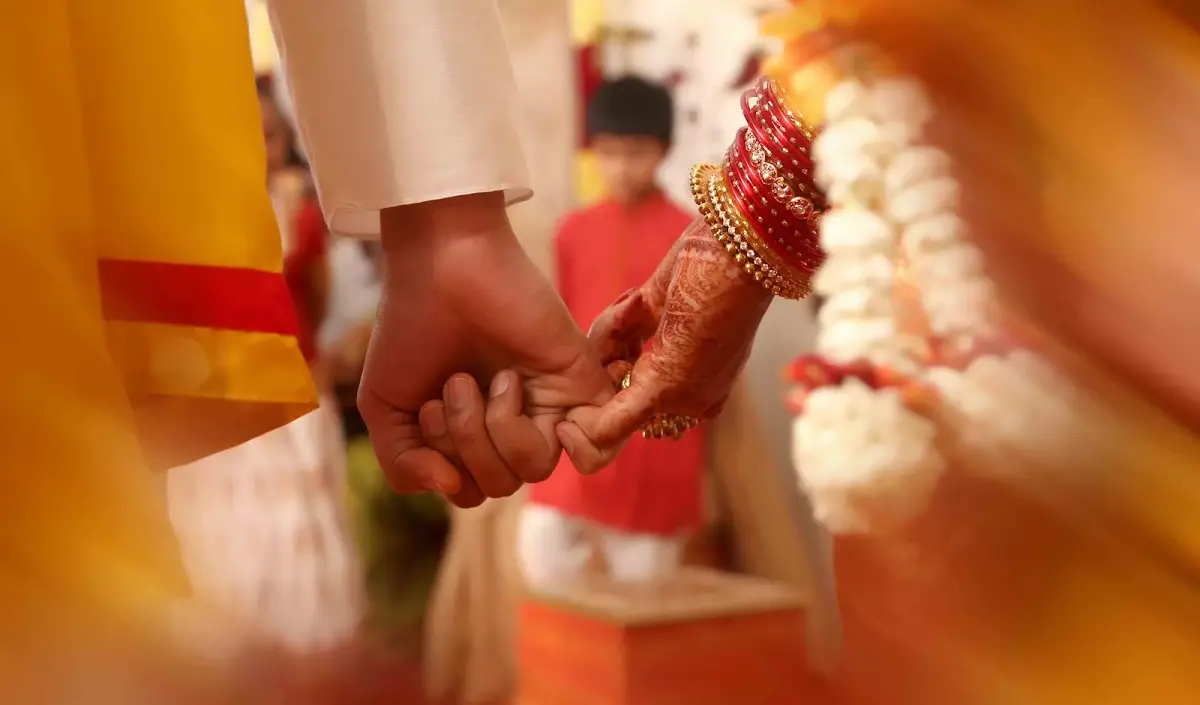
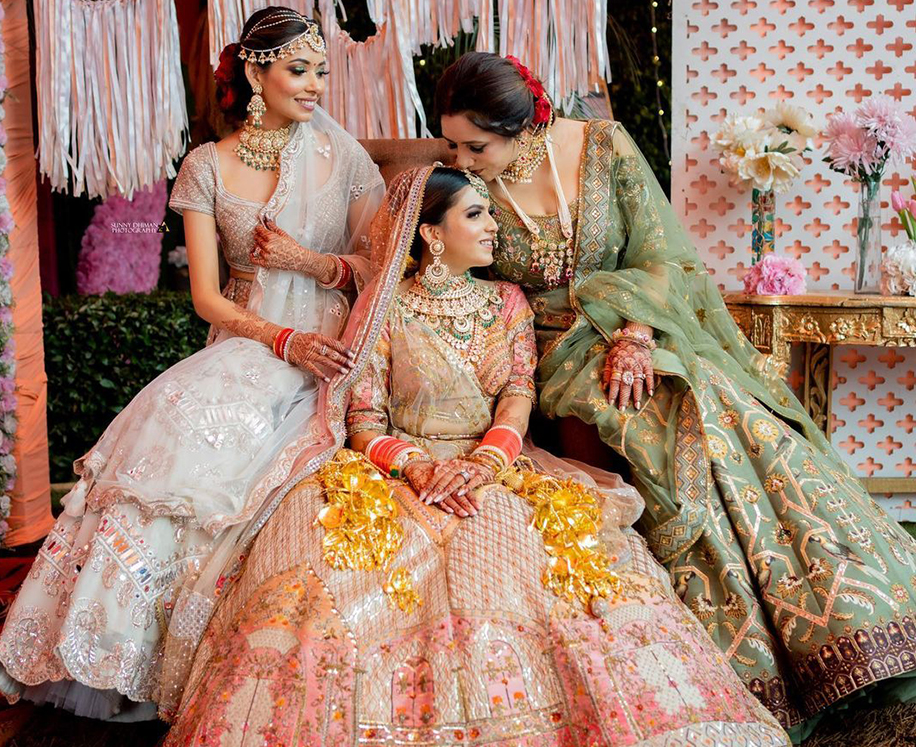
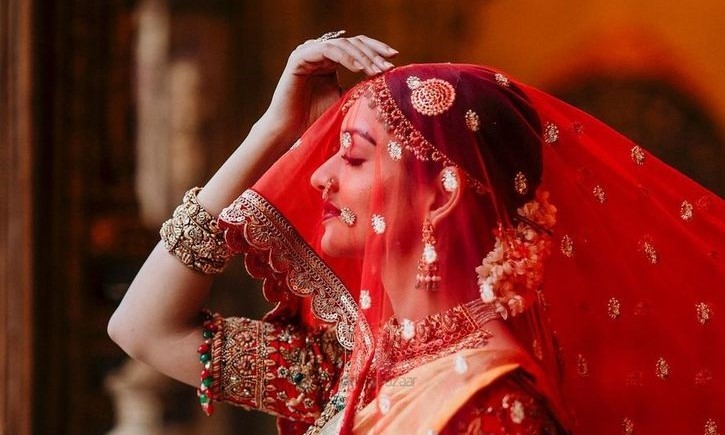
Pakistani brides wear red
Red is a symbol of love and affection, with the hope that the newlyweds will be happy and in love with one another forever. Red is the ideal color for brides since it represents wealth and fortune.

Gharoli
The groom's family hosts a gharoli celebration the night before the Baraat, during which the groom's mother starts tying a turban around his head. The sisters will then lead him on a walk while alternately carrying a water pot called Khara, and waving flowers in his direction.

To keep this momentum, the rest of the family may typically sing songs or drummers beat the drum to an exciting tune. The scarf represents modesty, while the turban denotes prominence and leadership, signifying that he is the main man. The sisters place flowers on their brothers' hair because they believe flowers represent joy and happiness. The groom gives his sister money. Additionally, the relatives and guests give the groom gifts.
Dhood Pilai
At the venue entrance, The bride's sisters block the groom's path from entering and welcome him with a glass of milk as it symbolizes purity and wealth, and in return bride's sisters demand money.

The bride's sisters enjoy this little moment to tease the groom that you're not taking our sister home so easily, so first, make your sister-in-law happy and pay. When Janj enters the venue after paying them, the groom makes way to his bride, but before he can sit, the sisters again stop him from requesting more money. In the end, the groom pays them out and joins his bride after continued bantering.
Joota Chupai
The sisters and friends will set up games to break the ice because most couples don't know each other before the wedding, so the bride's sister snatches the groom's shoes and demands money in return. As a result of the bantering and fun, the couple is able to bond more quickly.

Churi
One of the bride's sisters brings a plate of churi to feed the groom when he arrives at the bride's house. She will gladly prepare meals for the groom whenever he wants.
Throwing rice grains
The bride will stop at her door and throw rice over her head as she makes her way toward the car with the groom. Pakistan's rice is a high nutrient source, symbolizing wealth and efficiency. A bride throws several grains behind her as a sign that she has already left her mother's embrace and is entering a new family.

Find a ring in a milk bowl
One of the unforgettable traditions set by the family is finding the hidden ring in a bowl of milk by the couple. This tradition shows love and affection between the couple.

Khara
Another tradition involves the mother of the bridegroom repeatedly spinning a Khara around the groom's head, and then she drinks from it. The bridegroom makes an effort to stop them.
Guthna Pakrai
The groom's youngest brother either holds the bride's knee or sits on it. The bride gives him some money because he is the youngest brother. He is also her brother now. This is so popular at Pakistani weddings.

Traditions in other countries
In Norway, it is customary for the bride to wear an exquisite silver and gold crown with trinkets hanging from it. The tinkling sound she makes while she moves is meant to ward off evil spirits. A "kransekake," a towering special occasion cake, is frequently served during weddings in Norway. It has a cone-shaped design constructed of frosted almond cake rings, and its hollow centre is frequently filled with a wine bottle.

China is also very rich in ancestral traditions. In China, a future husband will repeatedly use a bow and arrow to shoot his future wife without arrowheads. He will then gather the arrows and break them during the ceremony to ensure their love will last forever.
In China, a bride's family will pay a "good luck" woman to take care of her as she rides in an intricately designed sedan chair from their house to the groom. The bride's attendants shield her with umbrellas and throw rice at her chair, representing health and prosperity.
A "lazo," or lasso, made of rosary beads and flowers, is placed around the shoulders of a Mexican couple as they exchange vows during the ceremony, forming a figure-eight shape. The shape of "el lazo" symbolizes the couple's union and the duration of time they hope their marriage will last.

On the wedding day, the groom's friends put the Turkish flag with a Red Crescent and star on the roof in front of his house. Fruit, vegetables, and sometimes even mirrors are placed on top, indicating the start of the wedding ceremony, depending on the region.

Many newlyweds use a lot of force to smash a glass or vase at their wedding. Because the number of pieces the glassware breaks into is said to represent the number of happy years the couple will spend together.

On the morning of the wedding, a Russian man visits the bride's parents. He proves his worth by either paying a "ransom" for his bride, presenting the bride's family with gifts or simply embarrassing himself by dancing and singing until the family has had enough. How lovely this tradition is, to be sure. Russian newlyweds share "karavay," a wedding sweetbread adorned with wheat that symbolizes wealth and interlocking rings for faithfulness.

The idea of incorporating cultural wedding traditions and customs into a wedding is a wonderful way to share a personal moment with the guests. If you're planning your wedding, you've probably been frantically searching for something traditional for your wedding, and you thought Joota Chupai and doodh pilai were only traditions at weddings. Nope. There are a lot of fun traditions in different countries. It will be a fantastic idea to adopt these traditions, and maybe you can try them; some of these ideas add a lot to the wedding! But do you know where these wedding traditions come from and what they mean?

Some traditions are sweet, like how wedding guests in Sweden kiss the bride or groom of their new spouse anytime they leave the room. Some are confusing: Couples in the Congo, for example, are forbidden to smile on their wedding day. And some are seemingly strange, such as how engaged pairs in Mongolia must kill and butcher a chicken to find a healthy liver before being allowed to wed. But what binds these seemingly disparate customs from near and far is one simple thing: love.
Bride’s ultimate choice for 2022 Imagine making your whole we...
16 Nov 2022
Beauty lies in the eye of the beholder, and what if a lens captures yo...
15 Nov 2022
.jpeg)
.jpeg)
.jpeg)